

Euphemisms on Trial: Why Gentle Words Can Hide Hard Truths
Have you ever noticed how we use gentle words to soften uncomfortable realities? Inspired by G.K. Chesterton’s essay “On Evil Euphemisms,” I started wondering: are euphemisms just polite, or do they sometimes help us avoid the truth altogether? Let’s put euphemisms on trial and see what verdict we reach.
Why Do We Use Euphemisms?
Most of us use euphemisms to avoid sounding harsh or offensive. It’s easier to say someone “passed away” than “died,” or to talk about “downsizing” instead of “firing employees.” The goal is often to make difficult conversations more palatable. But as Chesterton points out, euphemisms can also distort meaning. Take the phrase “Free Love”—it sounds liberating, but what it really means is love without the commitment of marriage.
Euphemisms in War: Masking the Unthinkable
The stakes get much higher when euphemisms enter the realm of war. Consider the term “collateral damage.” It’s a way to make civilian deaths sound like unfortunate mistakes, rather than tragedies. During the Hiroshima and Nagasaki bombings, phrases like “unintended but tragic consequence” were used to describe events that killed over 200,000 people, including tens of thousands of children. Survivors faced years of suffering from radiation-related illnesses. When we use gentle language, it becomes easier to forget the moral weight of these actions—and easier to accept them in the future.
Business Jargon: Hiding Unethical Practices
Euphemisms aren’t just for war—they’re alive and well in the business world. Ever heard of “facilitation payments”? It’s a term used to disguise bribery. For example, DB Schenker, a German logistics firm, paid “service fees” to Russian port officials to speed up customs clearance. These payments were, in reality, bribes, and they led to fines and job losses for executives. Euphemisms like these make it easier to overlook unethical behavior.
Why It Matters: The Danger of Gentle Language
When we rely on euphemisms, we risk losing our moral clarity. Gentle words can help us get through tough conversations, but they can also obscure uncomfortable truths and make it easier to accept injustice. Whether in war, business, or everyday life, euphemisms can shape how we perceive and judge actions—sometimes for the worse.
Let’s Speak Plainly
So, what’s the verdict? Euphemisms have their place, but we should be wary of using them to hide reality. If we want a more honest and responsible society, we need to challenge ourselves to speak plainly—even when the truth is uncomfortable. By refusing to hide behind gentle words, we uphold transparency and strengthen our commitment to ethical judgment.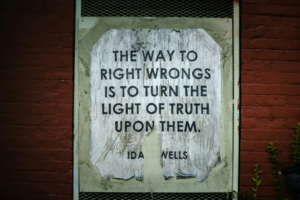
What euphemisms have you noticed in your workplace or the news? Share your thoughts below!
Interested in more on this topic?
See https://daily.jstor.org/the-ethical-life-of-euphemisms/
Sources:
https://catholicinsight.com/2019/11/03/on-evil-euphemisms/